Showing posts with label Fluoride. Show all posts

Thursday, May 15, 2014

Should Your Kids Use Fluoride Toothpaste?

Pediatric Dentistry of Garden City & Glen Cove
Garden City:516-222-5100
Glen Cove: 516-759-7000

Photo Source: Wikipedia
Fluoride is a great way to help your kids prevent cavities naturally.  Especially when they are learning how to properly brush their teeth!  This simple guide can help parents determine if their kids are getting enough fluoride for their age group.

Under 2 Years Old – Children under 2 shouldn’t use fluoride toothpaste unless specified by a dentist.  Once the first tooth appears, you can help them brush their teeth with a  soft, child-sized toothbrush and a little bit of water.

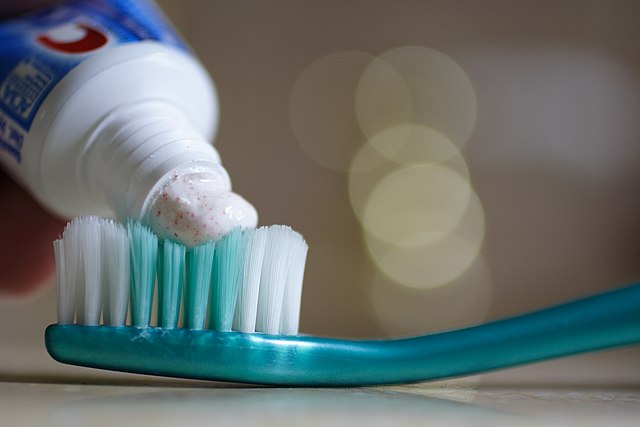
2-6 Years Old – Kids in this age group should start to brush their teeth with a small amount of fluoride toothpaste (about the size of a pea).  Make sure your kids spit out their toothpaste and don’t swallow it!

6 Years Old and Up – Once your kids are old enough to brush on their own, they can continue to use fluoride toothpaste when they brush twice a day.

To learn more about fluoride and how you can care for your child’s teeth, visit the 2x2 website.  They offer great tips to help prevent cavities and strengthen tooth enamel!

Fluoride can help make your kids smile grow stronger, while also preventing early stage of tooth decay.  If you’re not sure if your child is getting enough fluoride in their water, diet or toothpaste, contact our office!  We may even recommend a fluoride treatment during your child’s bi-annual exam and cleaning.  Call 516-222-5100 to contact our Garden City office and 516-759-7000 to contact our Glen Cove office with any questions you have about your child’s smile or to schedule an appointment. 

Thursday, October 24, 2013

Infant Oral Health

Pediatric Dentistry of Garden City & Glen Cove
Garden City:516-222-5100
Glen Cove: 516-759-7000

Many parents have a series of questions and concerns when it comes to infant oral health. They wonder why so early? Or why does my child need to see a dentist by their first birthday? Pediatric Dentistry of GardenCity & Glen Cove is here to answer some FAQ about Infant Oral Health.

If you have any additional questions, please feel free to give us a call at either one of our locations or visit us on our Facebook page

Image Source: Wikipedia
Why so early? What dental problems could a baby have?
The most important reason is to begin a thorough prevention program. Dental problems can begin early. A big concern in Early Childhood Caries (formerly known as baby bottle tooth decay or nursing caries). Once a child’s diet includes anything besides breast-milk, erupted teeth are at risk for decay. The earlier the dental visit, the better chance of preventing dental problems. Children with healthy teeth chew food easily and smile with confidence. Start your child now on a lifetime of good dental habits.

How can I prevent tooth decay from nursing or using a baby bottle?
At-will breast-feeding should be avoided after the first primary (baby) teeth begin to erupt and other sources of nutrition have been introduced. Children should not fall asleep with a bottle containing anything other than water. Drinking juice from a bottle should be avoided. Fruit juice should only be offered in a cup with meals or at snack time.

When should bottle-feeding be stopped?
Children should be weaned from the bottle at 12-14 months of age.

When should I start cleaning my baby’s teeth?
The sooner the better! Starting at birth, clean your child’s gums with a soft infant toothbrush or cloth and water. As soon as the teeth begin to appear, start brushing twice daily using fluoridated toothpaste and a soft, age-appropriate sized toothbrush. Use a “smear” of toothpaste to brush the teeth of a child less than 2 years of age. For the 2-5 year old, dispense a “pea-size” amount of toothpaste and perform or assist your child’s toothbrushing. Remember that young children do not have the ability to brush their teeth effectively.

Any advice on teething?

From six months to age 3, your child may have tender gums when teeth erupt. Many children like a clean teething ring, cool spoon or cold wet washcloth. Some parents swear by a chilled ring, others simply rub the baby’s gum with a clean finger. 

Tuesday, October 15, 2013

The Truth About Fluoride

Pediatric Dentistry of Garden City & Glen Cove
Garden City:516-222-5100
Glen Cove: 516-759-7000

Hey, parents. Are you unsure about the importance that fluoride plays in your child’s oral health? We’re here to help!

Here are a few fluoride FAQ answered. If you have any additional questions or concerns, give us a call at either one of our locations at any time.

How does fluoride work?
When the element fluoride is used in small amounts on a routine basis it helps to prevent tooth decay. It encourages “remineralization” a strengthening of weak areas on the teeth. These spots are the beginning of cavity formation. Fluoride occurs naturally in water and in many different foods, as well as in dental products such as toothpaste, mouth rinses, gels, varnish and supplements. Fluoride is effective when combined with a healthy diet and good oral hygiene.

Will my child need fluoride supplements?
Children between the ages of six months and 16 years may require fluoride supplements. The pediatric dentist considers many different factors before recommending a fluoride supplement. Your child’s age, risk of developing dental decay and the different liquids your child drinks are important considerations. Bottled, filtered and well waters vary in their fluoride amount, so a water analysis may be necessary to ensure your child is receiving proper amount.

How safe is fluoride?

Fluoride is documented to be safe and highly effective. Research indicates water fluoridation, the most cost effective method, has decreased the decay rate by over 50%. Only small amounts of fluoride are necessary for the maximum benefit. Proper toothpaste amount may be supervised, and other forms of fluoride supplementations must be carefully monitored in order to prevent a potential overdose and unsightly spots on the developing permanent teeth. Do not leave toothpaste tubes where young children can reach them. The flavors that help encourage them to brush may also encourage them to eat toothpaste. 


Wednesday, May 15, 2013

The Buzz about Fluoride!

Pediatric Dentistry of Garden City
516-222-5100

We’re sure that you've probably heard the word fluoride being tossed around now and then. However, have you made sure your child is getting a sufficient amount?

Fluoride is a mineral that occurs naturally in all water sources, including lakes, oceans and rivers. (www.mouthhealthy.org).

Fluoride can also be found in various toothpastes, mouthwash and even in your community’s tap water. If toddlers and infants aren't in taking the proper amount of fluoride, they may be at an increased risk for tooth decay.

To read more about fluoride, CLICK HERE

Tuesday, September 4, 2012

Do Your Children Drink Only Bottled Water?


Pediatric Dentistry of Garden City
516-222-5100 


Photo Source; Wikimedia
Do your children drink bottled water? Did you know that some experts believe bottled water may harm your children’s teeth and contribute to poor dental health?

Although many types of bottled water may be advertised as pure, clean or natural, many of them are missing one very important ingredient, fluoride!

The Beverage Marketing Corp reports that Americans consume about 8.4 billion gallons of bottled water each year. However, turning away from tap water may mean more cavities and worse dental hygiene, especially for children. 


CLICK HERE to read the full article!